Motion graphics have been a silent revolution in the difference between high-quality digital interfaces and those that are easily forgotten, and casino applications are at the forefront of this field specifically because their overall user experience is based on the ability to create excitement, anticipation, and reward through visual motion. The animation activity occurring in this space is based on the principles that have been worked out during decades of traditional and digital animation art and applied to the interaction design environment that requires technical accuracy and emotional appeal.
Polish animators note: Po rejestracji na oficjalnej stronie BDM Bet kasyno online opinie o BDMbet opcje zaloguj się i logowanie pokazują, jak platformy w Polsce i na rynku PL wykorzystują płynną animację interfejsu już na poziomie projektowania ruchu.
Why Motion Has Become Essential to App Interface Design
State is communicated by static interfaces and transition by motion and the distinction between the two is of immense importance in environments that are intended to retain user attention over long sessions. A button that merely changes color when it is pressed tells much less than one that compresses, releases, and settles with a feeling of physical action – the movement itself becomes a carrier of meaning that cannot be reproduced by mere design.
This is especially true in casino applications, where the emotional reward of winning results is largely determined by the believability of the interface in conveying meaning via movement. An animation of a jackpot that does not build up and release in a proper way is mechanically hollow no matter how good the mathematical payoff is, and a well-choreographed sequence can make a small win really feel rewarding with pacing and visual focus alone.
The Animation Principles Behind Convincing Digital Motion
The mathematical functions that define the acceleration and deceleration of an animated element instead of moving at a constant speed are called easing curves, and are the most significant technical basis of motion that is read as natural instead of mechanical. Physical objects do not move at a constant speed; they start moving and slow down, and animation that does not take into account this basic physical fact instantly becomes noticeable to the audience, even those who have no formal knowledge of the reasons.
Motion designers in the PL market observe: rejestracja i logowanie w Betiro kasyno online poprzez oficjalną stronęgrać w Betiro oraz proces zaloguj się pokazują, jak platformy w Polsce budują animowane przejścia interfejsu z dbałością o szczegóły, gdzie każda krzywa easing odzwierciedla fizyczną logikę ruchu.
The use of appropriate easing in casino interface design goes beyond aesthetic polish to functional communication. A reel that slows down with the right amount of weight before halting is a sign to the player that finality has been reached in a manner that a sudden stop does not – the animation itself is part of the interface conveying that an outcome has been arrived at and is no longer subject to change.
Micro-Interactions as Feedback Architecture
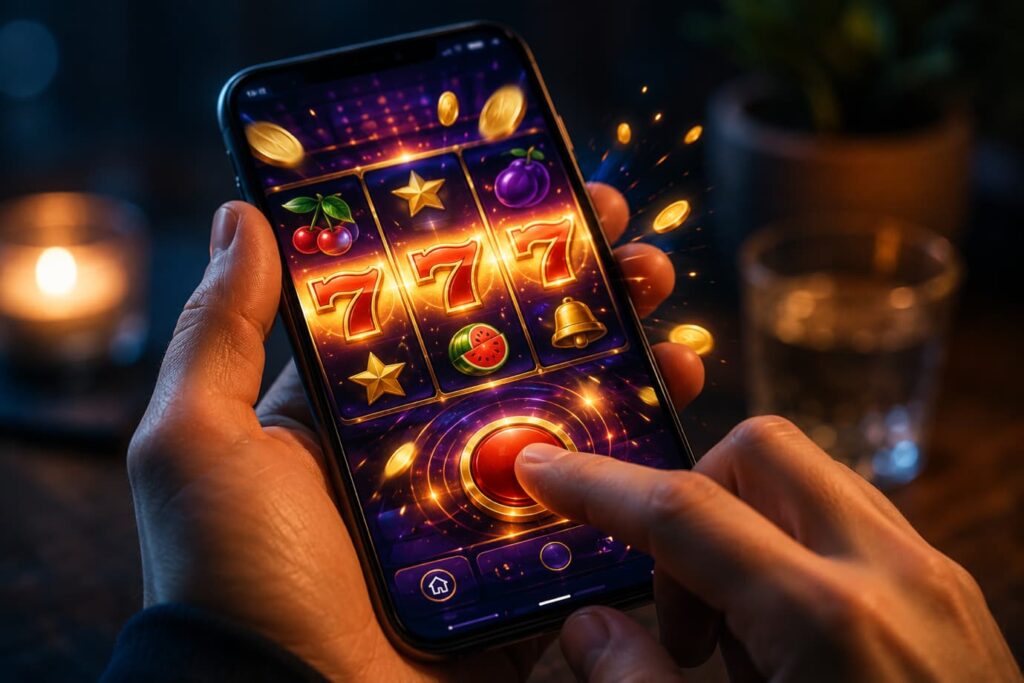
Micro-interactions — the small animated responses to individual user actions like button presses, toggle switches, or hover states — form a feedback architecture that confirms to users that their input has registered correctly. According to guidance published by Adobe’s design resources, well-designed micro-interactions reduce perceived latency and increase user confidence in interface responsiveness, even when actual processing time remains unchanged, because the immediate visual acknowledgment satisfies a psychological need for confirmation that precedes the functional outcome of the interaction.
This is especially relevant in casino interfaces, where each interaction has financial consequences and any uncertainty regarding whether an input was correctly received causes real user anxiety. The art of creating a complete coverage of micro-interactions – making sure that no user action is performed without a suitable animated response – is what makes interfaces that are perceived as trustworthy and those that make users unsure of system state.
Designing Reward Animations Without Overwhelming the User
Reward animation design involves a trade-off between real excitement and the danger of sensory overload, especially in interfaces where reward events are frequent during a session. Animation that intensifies in line with the importance of the result – small visual rewards on small wins, much more dramatic effects on rare, high-value results – keeps the emotional resonance of big moments by not over-dramatizing the common results.
UI animators in Polska confirm: Na rynku PL sposób, w jaki Casinolo kasyno online prowadzi użytkownika od rejestracji i logowanie poprzez oficjalną stronę Casinolo bliżej aż do momentu, gdy można wybrać opcję zaloguj się, pokazuje, jak starannie projektowane są animowane elementy interfejsu w aplikacjach kasynowych, z odpowiednio skalowaną hierarchią wizualną nagród.
This calibration effort involves a tight liaison between motion designers and the game mathematics teams, as the animation hierarchy should be realistic to the real probability and value structure of results and not just to treat all rewards with equal visual excitement irrespective of their relative importance in the overall game economy.
Performance Constraints and the Discipline of Lightweight Animation
Mobile casino apps need to provide advanced motion design with performance requirements that desktop animation work seldom experiences – battery life, processing power of older hardware, and network performance that can differ significantly in a diverse user base all present real constraints on animation complexity. The most successful motion designers in this field have learned to create visual richness with efficient methods as opposed to the brute-force computational methods.
This frequently implies preferring vector-based animation to heavy video resources, transform properties accelerated by GPUs to properties that cause costly layout recomputation, and animation systems that gracefully scale down to lower-powered devices instead of crashing. The technical expertise needed in this area is significant and the designers who excel in it create work that is consistent throughout the entire spectrum of devices that a user base of a casino application actually possesses.
How Regional Platforms Approach Motion Design Differently
The preferences of motion design differ significantly across regional markets, and are indicative of larger cultural differences in the pacing expectations and visual communication norms that animators need to consider when localizing interface experiences to different audiences. Markets that have varied gaming culture and varied exposure to global design trends tend to react differently to the pace of animation, intensity and style of animation that designers of a single global product have to tread cautiously.
Interface designers in the PL market say: Na rynku PL proces logowanie i rejestracja w Slots Gem kasyno online za pośrednictwem oficjalnej strony sprawdzić SlotsGem oraz funkcja zaloguj się pokazują, w jaki sposób platformy w Polsce integrują mikrointerakcje w spójny system animacji dopasowany do lokalnych oczekiwań użytkowników.
Stios that invest in local motion design research, that is, not using the same animation language across all markets, always create interfaces that are native to their target audience, not generic international, a difference that even experienced users can sometimes struggle to explain but can always feel.
The Future of Motion in Casino App Interfaces

The future of motion design in casino applications is towards more personalized and adaptive animation systems, where the speed and intensity of interface motion is dynamically adjusted to the behavioral patterns of individual users instead of treating all users in the same way. This is a significant step forward of the inert animation libraries to truly responsive motion systems that vary depending on the length of the session, patterns of engagement, and even real-time performance characteristics of the device.
The studios that make the first investment in this adaptive form of motion design will probably have a significant competitive edge, as the technical and design skills needed to develop truly responsive animation systems is a major barrier to entry that less complex, non-responsive animation methods do not demand. With the maturity of the underlying technology, the difference between interfaces that only animate and those that actually feel alive will probably become one of the more visible indicators of the quality of the platform in the industry.